

Latest Update on Stamp Duty in the UK
Quick Summary:
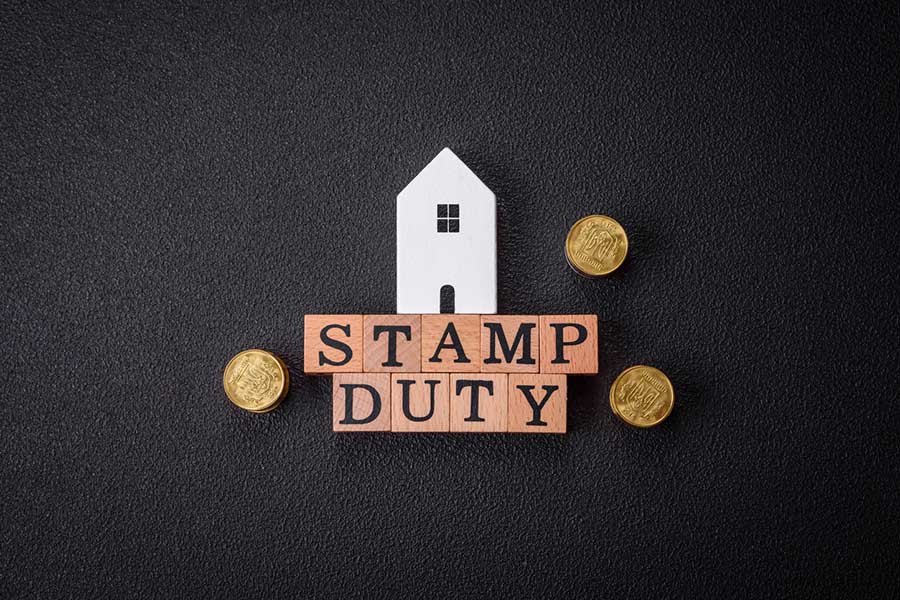
What’s changing with Stamp Duty in 2025? The latest government updates on Stamp Duty Land Tax (SDLT) could impact homebuyers and property investors across the UK. This article covers:
- New tax thresholds and rates from 1st April 2025.
- Who benefits and who pays more?
- Impact on first-time buyers and investors.
Stay informed on how these changes might affect your property plans.
It’s common knowledge that house prices have been continually rising for many years now, and mortgages for 35 years + are becoming the norm. In the face of such enormous house prices, it can be easy to forget all the other costs involved in buying a house - yet legal fees, mortgage arrangement fees, a deposit, conveyancing fees for related sales, and stamp duty can add up to tens of thousands of pounds.
You can shop around for legal and conveyancing services, and some lenders offer mortgages with lower deposits. The one item you can’t do anything to change, though, is stamp duty.
What is stamp duty?
Stamp duty is a tax on land ownership. If you buy a property worth over a certain amount (see below), you will need to pay a certain amount to the government (HMRC). This only applies to properties in England and Northern Ireland: Scotland has an equivalent (Land and Buildings Transaction Tax; find the rates here), as does Wales (Land Transaction Tax; find the rates here).
It’s not a popular tax, nobody wants to pay thousands of pounds to the government to buy a house, but some form of stamp duty law has been in place since the 1600s and it’s not going anywhere!
There are a few different rules that apply depending on whether the property you’re buying is your only home, and if you’re a first time buyer.
What is happening to stamp duty in 2025?
The net effect of the rate changes is that the cost of paying stamp duty will go up in 2025.
The new stamp duty rates coming into force from 1st April 2025 will also mean that more people will pay stamp duty than before (because stamp duty will now apply to houses that cost from £125,000, whereas there used to be no stamp duty on properties sold for less than £250,000).
First-time buyers used to be able to buy a house worth up to £425,000 without paying any stamp duty; that has now changed and first-time buyers will have to pay stamp duty on houses worth over £300,000.
What are the new stamp duty rates, 2025?
Stamp duty rates will change on 1st April 2025. If you’re in the middle of buying a house and will complete the purchase before then, the 2024-2025 rates will apply. The rates below only apply if the house you’re buying will be your only residential home, and only if you are not a first-time buyer.
| House Values | Old Stamp Duty Rates (1st April 2024 - 31st March 2025) |
New Stamp Duty Rates (1st April 2025 - 31st March 2026) |
|---|---|---|
| Up to £125,000 | 0 | 0 |
| Up to £250,000 | 0 | 2% of £125,001 - £250,000 |
| Up to £925,000 | 5% of £250,001 - £925,000 | 5% of £250,001 - £925,000 |
| Up to £1.5million | 10% of £925,001 - £1.5m | 10% of £925,001 - £1.5m |
| Over £1.5million | 12% of anything over £1.5m | 12% of anything over £1.5m |
So, for example, if you bought a house for £500,000 under the old rates, you would have paid:
0% on the first £250,000
5% on £250,001 - £500,000 (so, 5% of £249,999 = £12,499.95)
Total stamp duty payable in 2024-2025 = £12,499.95.
However, under the new stamp duty rates, for the same price of house after 1st April 2025, you will pay:
0% on the first £125,000
2% on £125,001 to £250,000 (so, 2% of £124,999 = £2,499)
5% on £250,001 to £500,000 (so, 5% of £249,999 = 12,499.95)
Total stamp duty payable in 2025-2026 = £14,998.95.
What are the new stamp duty rules 2025 for first-time buyers?
The government wants people to buy property rather than rent if they can. People who already own a house can (hopefully) use equity from that house sale as a deposit and to pay the stamp duty and legal fees. People who don’t own their own house yet, though, have to find that money from their savings or borrowing, and that can be much more difficult.
So the government has different rules for first-time buyers, so that they’ll have less to pay up-front when buying their first home. However, the stamp duty rules are changing on 1st April 2025 in a way that will be less generous to first-time buyers.
Under the old rules, from 1st April 2024 - 31st March 2025, first time buyers would pay:
0% stamp duty on a property costing up to £425,000
5% stamp duty on a property costing £425,001 - £625,000 (so, a maximum of 5% on £199,999 = £9,999.95).
If the property cost £625,001 or more, no first-time buyer discount is available and you’d pay the same as any other buyer (with the rates as per the tables above).
So, for example, if you were a first-time buyer paying £500,000 for your first home before 1st April 2025, you would pay:
0% for the first £425,000
5% on £425,001 - £500,000 (so, 5% of £74,999 = £3749.95).
Under the new stamp duty rules, from 1st April 2025 - 31st March 2025, first time buyers will pay:
0% stamp duty on a property costing up to £300,000
5% stamp duty on a property costing up to £500,000
If the property costs £500,001 or more, no first-time buyer discount is available and you’d pay the same as any other buyer (with the rates as per the tables above).
So for example, if you were a first-time buyer paying £500,000 for your first home after 1st April 2025, you will pay:
0% for the first £300,000
5% on £300,001 - £500,000 (so, 5% of £199,999 = £9,999.95).
What are the new stamp duty rates for second homes?
If you own another residential home, you’ll need to pay an extra 5% stamp duty over and above the rates listed above. Unfortunately, you’ll need to pay this even if you’re planning to sell your old house but haven’t yet found a buyer. Even if you complete buying your new house on the Monday and complete selling your old property on the Tuesday, you’ll still pay an extra 5% stamp duty.
That said, if you sell your old house within 36 months of buying your new one, you can claim a refund of this extra 5% stamp duty.
Avoiding second-home-ownership stamp duty rates
It’s important to take your time when choosing where to live; there are lots of factors to consider! If you find a buyer for your old home while you’re still looking for your new one, it’s worth considering proceeding with the sale anyway.
You could rent somewhere for a short period, or stay with family, and move your household contents into storage for a few weeks or months until you’re ready to buy your ideal home.
Planning for this scenario can relieve the pressure of having to find your next home within a set time, and can save money on stamp duty when you buy your next home. It’s worth doing a bit of research into local rental prices (you won’t need a large property if it’s just for a few weeks / months) and self storage options.
We offer indoor storage units in various sizes, with ample room to store all of your household contents securely until you’re ready to move into your new home. If you’d like to know more, have a look at how our storage works, take a look at our room sizes, chat with us online or by phone or call into your local store and one of our friendly team members can give you all the information you need with no obligation or pressure.
