

Moving in July? Tips for moving in hot weather
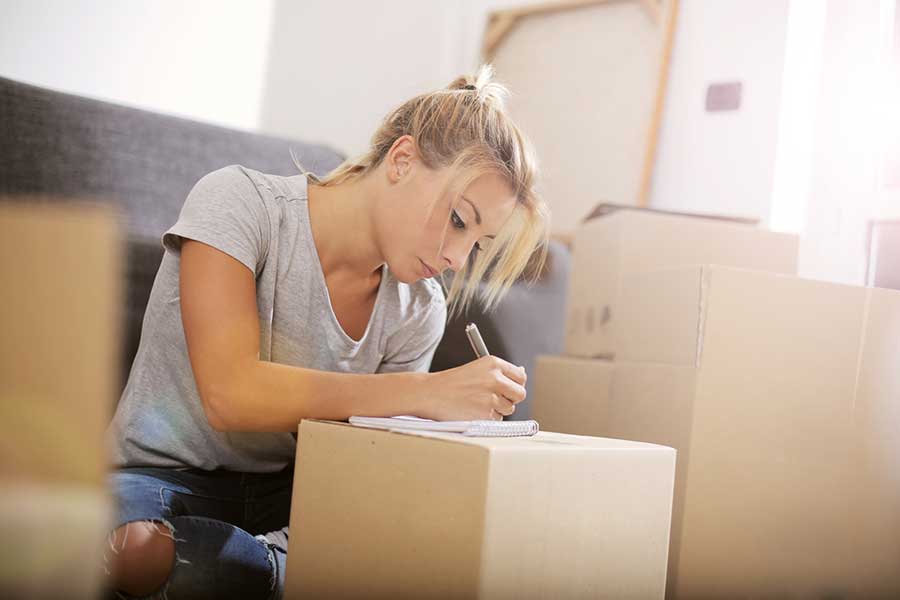
British weather isn’t exactly reliable, but it’s more likely than not that if you move house in July it’s going to be hot. This adds another thing to think about to an already busy and stressful event - keeping everyone cool in mind and body, and making sure none of your belongings warp, melt or spoil.
Lifting and carrying boxes and furniture in high temperatures is going to be hard work, so it’s important to be as prepared as possible. Here are our tips for moving house during hot weather.
1. Work with the heat.
The hottest part of the day is between 11am and 3pm, so you should aim to do the least amount of physical or outdoor work during that time. Dress for the weather with loose, cotton clothing in light colours to reflect the heat.
Plan to get up extra early to load up the van in the morning, and spend the peak-heat hours driving with the air conditioning cranked up.
If you’re moving things into a self storage unit (e.g. because you plan to renovate, redecorate or deep clean your new home before moving everything in), choose one with sheltered loading bays for some shade, or drive-up room access to get the van as close as possible to the unit.
2. Protect heat-sensitive items
You’ll have planned how to move your larger items of furniture, such as your beds, sofa and wardrobe, and sorted boxes and packaging materials to pack and wrap smaller items in. If you’re moving in hot weather, though, you should also give extra thought to how to transport those belongings that won’t cope well with the heat, for example:
- Electronics, such as your TV, laptops, tablets and PCs can break and components can melt.
- Candles - they will melt!
- Vinyl records, CDs and DVDs - these may be prone to warping in high temperatures.
- Food and drink - fizzy drink cans can explode in extreme heat, wine can spoil, and although you probably won’t be transporting fresh food, you might have chocolatey snacks that will melt.
- Makeup and toiletries can be adversely affected by heat.
- Musical instruments can warp.
- Medicines can spoil and not work as intended.
- Cleaning products can leak and give off fumes.
To protect these items during the move, make room for them in the car with you, where they’ll be protected by the air conditioning or breeze from open windows. If you don’t have enough room for all of it, consider packing items in cool boxes with ice packs (properly sealed and wrapped to avoid any leaks or direct contact with your belongings).
Label all such items as ‘heat sensitive’ to ensure you’ll be able to identify which items to unpack first.
3. Avoid plastic packaging
Plastic packaging such as plastic bags and bubble wrap can trap heat and moisture, leading to mould, mildew or damage to wooden furniture (especially if you don’t get around to unwrapping things quickly). It’s also bad for the environment, so using more natural, sustainable materials to pack and protect your belongings is win-win.
Use decorating sheets, towels and bedding (that you’d have to pack otherwise anyway) to protect furniture, and cardboard boxes with biodegradable void fill chips (a.k.a. eco-friendly packing peanuts) to pack smaller items.
Buy some moisture absorbers or silica gel packets and add them to boxes filled with anything likely to suffer if exposed to moisture (e.g. photograph albums, paperwork, books).
4. Stay hydrated and take breaks
You will, of course, want the work to be done as quickly as possible. Dehydration and heatstroke aren’t things you can ‘push through’ though, even with the best will in the world. Plan to take regular breaks to cool down, and keep drinking water throughout the day.
You might feel impatient or on edge when stopping work, knowing that there’s still so much to do, but remember that you won’t be very productive or efficient if you have to visit A&E! Taking 15 minutes every hour to cool down and refresh will cost you less time than ploughing on and getting sluggish or even unwell.
Consider using portable fans - you can get fans that sit around your neck, directed towards your face, that feel very refreshing. Use these as well as breaks and cool drinks - not instead of them.
5. Plan ahead for your new home
If you’re moving straight into your new home (rather than using a self storage unit), bear in mind that it might be stuffy and very hot in there. Much depends on how long it has been vacant and locked up for - if the previous owners have only just left, it should be easy enough just to open up the windows and doors to cool it down.
If your new home has been empty for a while and is very hot, take some portable fans with you. If you have used ice packs to keep some of your belongings cool, unpack those heat-sensitive items first and place the ice packs in front of the fans to blow cooler air into the room.
Open doors and windows on any side of the side of the house that’s in shade, and pull down blinds, close curtains or peg up blankets against any window where the sun is shining through. As the day goes on and the sun moves across the sky, you might need to open / shade different windows to keep the sun out and the breeze coming in.
6. Look after your house plants
Houseplants will need extra care when moving house in the summer heat. A bit of trial-and-error might be needed before you find the right place in your new home for each of your plants to thrive, because you won’t know what the sunlight levels are in different parts of your house until you’ve lived there for a few days.
Keep an eye on them over the coming days for any signs of scorched or drooping leaves, and move them to a more shaded or sunnier spot.
7. Mentally prepare yourself for discomfort
Even with excellent planning and preparation, moving house in hot weather isn’t going to be fun or pleasant. You will be sweaty, you might be more irritable than normal, and you will be fed up by late afternoon.
Try not to imagine what else you could be doing in the lovely weather (like having a barbeque, sitting in the garden, or having fun at the beach) and instead remind yourself that at least it’s not raining.
If you think that using a self storage unit before, during or after your move might be helpful, please get in touch if you need any information or help. For instance, you might want to know if we have any sheltered loading bays or drive-up room access units at your nearest store, or you might want to check availability in case there are any last-minute delays in completing your sale / purchase. If you decide to book a unit, you can reserve one online, by phone or in store with no deposit to pay.
