

Do you need insurance for self storage? What’s covered and what isn’t
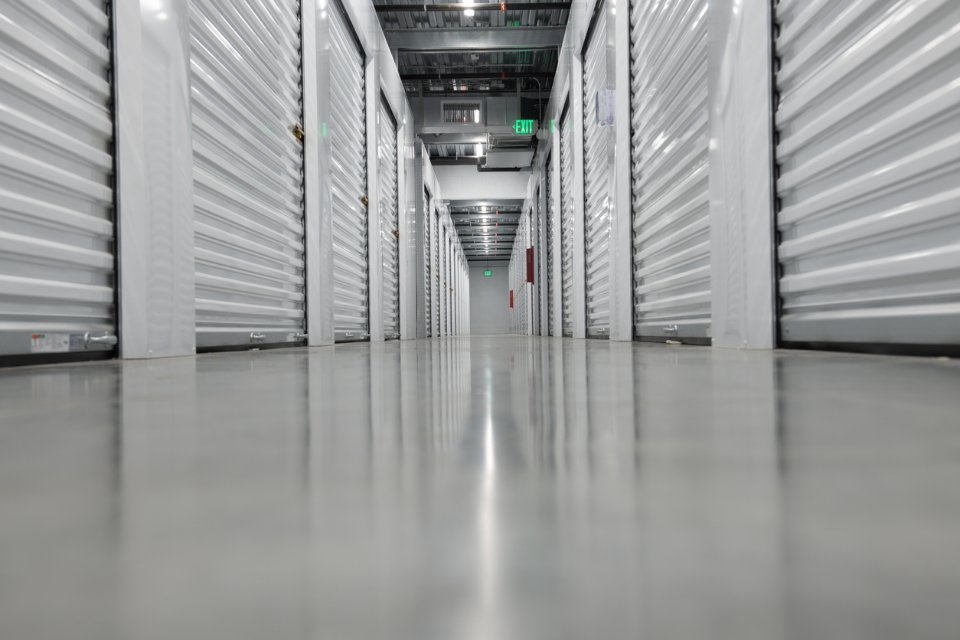
When you rent a self storage unit, the contents you place inside it are stored at your own risk. For that reason, most self storage providers require you to have insurance or appropriate cover in place for the items you store.
Even though modern self storage facilities are designed to be secure, insurance exists to protect you financially if the unexpected happens, in much the same way you would insure the contents of your home.
This guide explains whether insurance is needed for self storage, what it typically covers, what is usually excluded, and the options available to you.
Do you need insurance for self storage?
In most cases, yes.
The contents of a self storage unit are not automatically insured by the storage provider. While facilities may have security systems such as controlled access, CCTV, fire detection and alarms, these measures reduce risk but do not remove it entirely.
Insurance or contents cover is designed to reimburse you for the monetary value of your belongings if they are lost or damaged while in storage. This is why having cover in place is strongly recommended and often required as part of the storage agreement.
Is self storage insurance mandatory?
Many self storage providers require customers to have insurance or equivalent contents cover in place for the full duration of their rental.
This requirement exists because storage is provided on a self service basis, and responsibility for the stored items remains with the customer. If you choose not to arrange your own insurance, providers often offer a provider arranged contents cover option instead.
What does self storage insurance typically cover?
A self storage insurance policy, or equivalent contents cover, usually protects against loss or damage caused by events such as:
- Fire
- Flood or water damage
- Theft
Depending on the policy or level of cover chosen, you may also be able to include accidental damage. This can be useful if you are concerned about items being damaged while loading, unloading, or accessing your unit.
As with any insurance product, the exact level of cover varies between providers, so it is important to review the terms carefully.
What is usually not covered?
While policies differ, self storage insurance and contents cover commonly exclude certain items or apply value limits. Typical exclusions include:
- Cash, coins, and bullion
- Jewellery, watches, and precious metals above specified value limits
- Important documents, deeds, and data storage devices
- Perishable goods and plants
- Prohibited, hazardous, or dangerous items
Items that are not permitted to be stored by a self storage provider are not normally covered. In addition, items with significant sentimental value may be difficult or impossible to insure adequately. For this reason, many providers recommend not storing irreplaceable or sentimental items in self storage.
Your options for covering items in storage
Using your own insurance (personal cover)
You may arrange insurance independently with an insurer of your choice. When doing so, it is important to check that:
- The policy explicitly covers items kept in storage
- Cover lasts for the full duration of your storage rental, as some policies are limited to 30 to 90 days
- Business or commercial stock is included if you are storing items for business use
- Any conditions set by the insurer are met, such as security requirements at the storage facility
Not all home contents policies automatically cover items in self storage, so it is essential to confirm this before relying on existing insurance.
Provider arranged contents cover (StoreProtect)
Some self storage providers offer provider arranged contents cover as an alternative to arranging your own insurance.
StoreProtect is a provider arranged contents cover product used by a number of self storage operators. At Safestore, StoreProtect is available as an alternative to arranging your own insurance and provides cover for loss or damage up to your chosen maximum replacement value.
StoreProtect is not an insurance policy sold by the storage provider. Full details, limits, exclusions, and terms are set out in the StoreProtect documentation and addendum.
Customers remain free to arrange their own insurance instead, provided it meets the storage provider’s requirements.
Learn more about StoreProtect contents cover
What affects the cost of cover?
The value of your stored items
You choose the value up to which your belongings are covered. Higher declared values typically result in higher premiums. It is important to choose a realistic figure. Overvaluing items can increase costs without increasing payouts, while undervaluing them may leave you underinsured.
The length of time in storage
The longer your items remain in storage, the longer cover is required. This affects the overall cost of protection.
The type of items stored
Household belongings are generally cheaper to cover than business stock, specialist equipment, or high value items.
Excess and policy conditions
Some policies allow you to choose a higher excess, which can reduce the cost of cover. Special terms or conditions may also apply, depending on what you store.
Reading the terms and conditions carefully is essential. A lower cost option may not be suitable if it does not adequately cover the items you plan to store.
What should you check before choosing cover?
Before deciding how to cover your belongings in storage, it is sensible to check:
- That all items you intend to store are eligible for cover
- Any value limits that apply to individual items
- Whether cover applies for the full storage period
- Any security or facility requirements set by the insurer or provider
- The exclusions listed in the policy or cover terms
Taking the time to review these details can help avoid issues if you ever need to make a claim.
Where to find more information
If you would like to learn more about provider arranged contents cover available at Safestore, detailed information is available on our StoreProtect pages, including links to the StoreProtect terms and addendum.
Our general terms and licensing agreement also outline which items are prohibited from storage. You can find more information on how items are protected in our storage facilities.
If you have questions about covering specific items or choosing an appropriate level of cover, our team can provide further information to help you make an informed decision.
Frequently asked questions
Is self storage insurance mandatory in the UK?
Most self storage providers require customers to have insurance or equivalent contents cover in place for the duration of their storage rental. This is because items are stored at the customer’s own risk. If you do not arrange your own insurance, providers often offer a provider arranged contents cover option instead.
What does self storage insurance usually cover?
Self storage insurance or contents cover typically protects against loss or damage caused by events such as fire, flood or water damage, and theft. Some policies may also include accidental damage, depending on the level of cover chosen.
What is not covered by self storage insurance?
Common exclusions include cash, jewellery above certain value limits, important documents, data storage devices, perishable goods, and prohibited or hazardous items. Policies may also exclude items with significant sentimental value. Always check the policy terms for full details.
Can I use my own home contents insurance for self storage?
Some home contents policies include limited cover for items in storage, but this is not always the case. You should check that your policy covers off site storage, applies for the full storage period, and includes all items you plan to store.
What is StoreProtect?
StoreProtect is a provider arranged contents cover option available through participating self storage providers. It provides cover for loss or damage up to a declared replacement value. StoreProtect is not an insurance policy sold by the storage provider. Full terms, limits and exclusions are set out in the StoreProtect documentation.
Are high value items covered in self storage?
High value items may be covered, but policies often apply value limits or additional conditions. Items such as jewellery, collectibles, or specialist equipment may need to be declared separately or may be excluded above certain thresholds.
