How to create space without moving to a bigger home
Need more room? Gain space without moving house
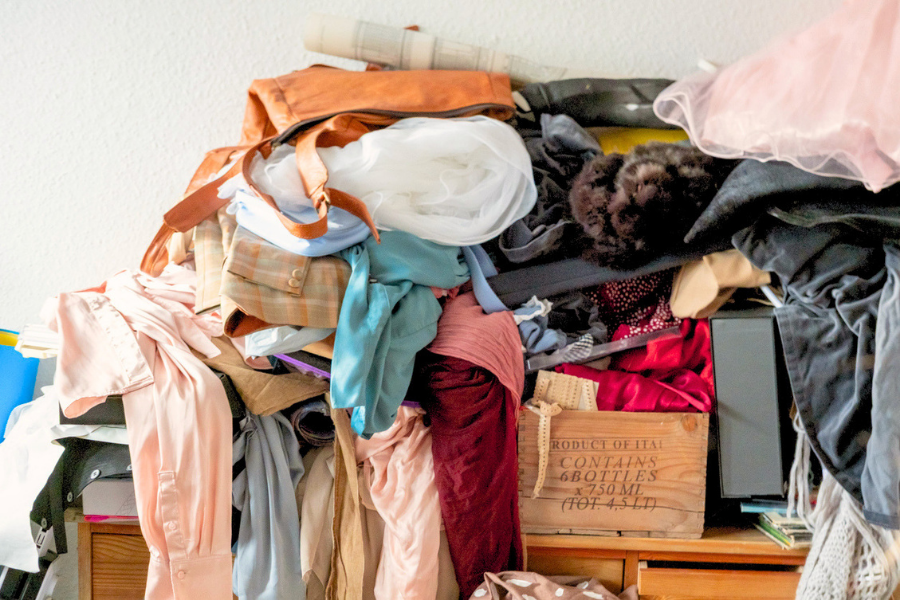
If boxes have taken over your spare room or garage, a bigger home isn't the only solution. The problem could be the amount you’re keeping in the space you already have. Suitcases, out-of-season clothes and rarely used appliances can gradually fill cupboards and rooms that would otherwise be useful.
Before considering the cost and disruption of moving to a larger property, start by going through your home one room at a time. This guide brings together a room-by-room checklist and a comparison method to help you decide whether decluttering, storage or a larger home will give you the extra space you need.
Start with the room you want to reclaim
Instead of just looking for clutter, decide what you want each room to do. Perhaps you want to use the spare room as a home office, but boxes and unused furniture have taken over the floor. Your hallway cupboard might be full of camping equipment and Christmas decorations, leaving nowhere convenient for coats and shoes.
For each room, consider:
- What you use every day or every week
- What you use only at particular times of year
- What you want to keep but rarely need
- What you no longer use
- Whether better organisation would solve the problem
- What could be kept somewhere else without inconveniencing you
Decide what to keep before you pay to store anything
Decluttering should come before looking at your options, starting with belongings you no longer want. Separate them into items you can sell, items suitable for donation, and items that need to be disposed of responsibly.
Check what a charity, recycling service or other organisation will accept before arranging a collection or loading the car. Give yourself a deadline too. A bag marked “charity shop” isn't creating extra space if it stays by the front door for the next two months.

You don't have to choose between keeping everything at home and getting rid of it. How often you use something can tell you where it belongs. Keep frequently used belongings at home - everyday kitchen equipment and the tools you use regularly need to be in a convenient location.
If you have any seasonal belongings, go through those first. Christmas decorations, garden equipment, suitcases, heaters - these can consume a surprising amount of otherwise useful cupboard space while they go untouched for months. For out-of-season clothing, vacuum storage bags will keep them compact and free up space in your wardrobe.
Compare the real cost of storage with upsizing
As of the latest self storage annual report, 10% of storage users cite "needing to create more space at home" as their reason for needing storage. Your personal circumstances, local housing costs, how much space you need and how long you need it for all affect the comparison.
Start by identifying what getting an additional room would involve for your household. If you rent, that could mean comparing your current rent with suitable larger properties whilst considering the deposit and other moving costs.
If you're a home owner, the calculation should include how much you plan to borrow, as well as administrative costs associated with buying, selling and moving. Packing, removals, cleaning and the time involved should also be considered.
See: How much does it cost to move house?
Next, check the full storage cost over the same period. Consider the total amount you would expect to pay for the period you need the space. Include any required insurance or protection cover, packing materials and any vehicle hire needed to move larger items.
Current prices, terms and offers should always be checked before making the comparison. For any introductory storage offers, find out what you would pay afterwards.
Work out how much storage space you actually need
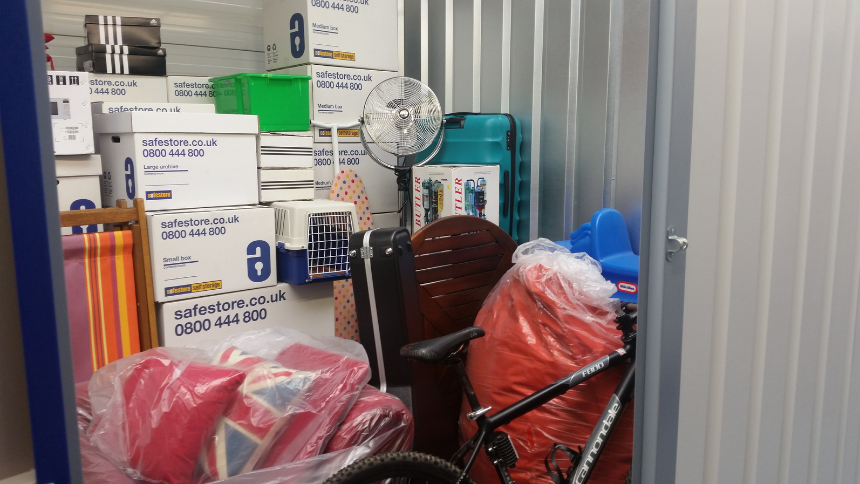
Once you've decluttered, make an inventory of everything you intend to store. Count your boxes and measure larger pieces of furniture or equipment. A set of securely packed, stackable boxes uses space differently from a sofa, bicycle and several pieces of assembled furniture.
Ask yourself:
- Can furniture be safely dismantled?
- Which boxes can be stacked?
- Will you need to reach particular belongings without moving everything else?
- Do any items have specific storage requirements?
This gives you a much stronger starting point for estimating room size. Avoid choosing a larger storage space “just in case” without first checking what you actually need. Equally, squeezing everything into the smallest possible space can be inconvenient if you regularly need to retrieve items.
Let access frequency shape your storage plan
How often you use something should influence where you place it. If you're putting Christmas decorations away in January and don't expect to need them for months, they can sit behind belongings you'll collect sooner.
You could divide your inventory into three broad groups:
Belongings you may want during the next few weeks or use once a month.
Items you expect to collect a few times during the year for seasonal or irregular use.
Belongings you still want to keep but don't expect to retrieve routinely.
Pack the room around that pattern. Label boxes clearly on more than one side so you don't need to unpack a stack to find out what's inside. For a detailed breakdown visit our storage unit packing guide.
Before choosing a facility, check its current access arrangements and decide whether they work with how often you expect to visit. Travelling farther for a cheaper storage unit could become frustrating if you're making the journey regularly.
Review what you're storing after three to six months
Put a three-to-six-month review in your calendar when your belongings go into storage. You might discover that you visit more often than expected, or that you haven't needed some belongings at all.
- Are you using the space you reclaimed at home?
- Which stored belongings have you actually needed?
- Is there anything you are now ready to sell, donate or recycle?
- Does the amount of storage space still match what you're keeping?
If you can remove several items and leave a large unused area, compare your inventory with the dimensions of the next available room size. A regular review also stops storage becoming a place where decisions about unwanted belongings are postponed indefinitely.
Should you look for a larger home or use self storage?
A bigger home can be the right answer when your household needs a dedicated workspace or simply more room for everyday life. But you don't necessarily need to move because rarely used possessions are taking over valuable living space.
Sell, donate or recycle what you no longer need, then measure what remains. You'll have a much clearer idea of the amount of space you're trying to create and can compare the cost and disruption of a house move with a personal storage unit. Once you know what you intend to keep, we can help you store the rest at a Safestore location near you.