

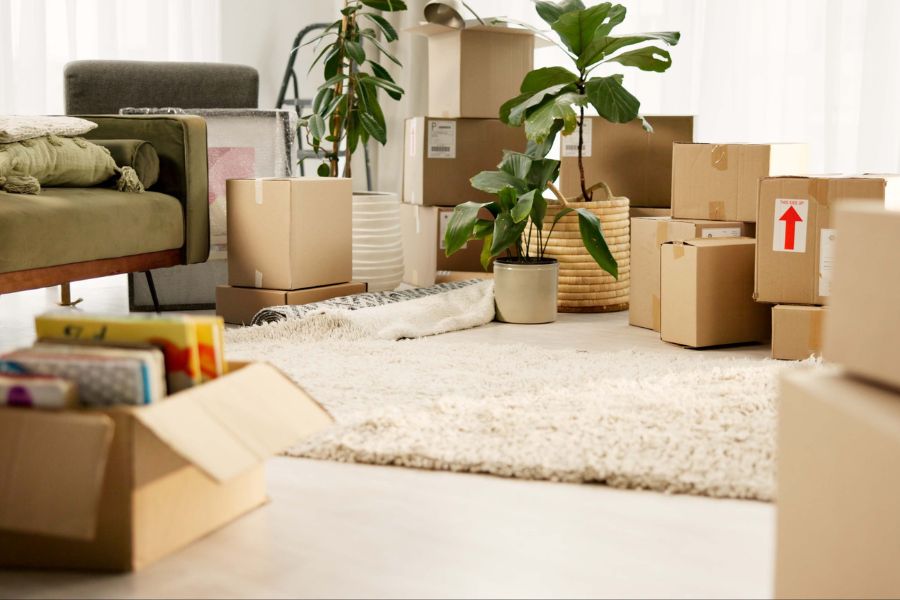
Moving house does not always happen in a neat sequence. Completion dates change, chains break, and packing often takes longer than planned. For many people, self storage becomes a practical way to create flexibility during a move.
Moving house storage allows you to store belongings temporarily while dates, access or space issues are resolved. It can reduce pressure on moving day and give you more control over how and when you move into your new home.
Last updated: March 2026
When storage can help during a house move
Storage is most useful when there is uncertainty or overlap during a move. These are some of the most common situations where people use storage.
Between moving out and moving in
If there is a gap between leaving one property and moving into the next, storage provides a safe place for your belongings while you stay elsewhere. This is common when completion dates do not align or when temporary accommodation is involved.
Delays, chains and changing timelines
Property chains and legal processes can change at short notice. Storage allows you to move belongings out without needing to make rushed decisions if plans are delayed or revised.
Packing before your moving date
Some people choose to pack and move items into storage before moving day. This can make it easier to clean, decorate or prepare a property and can reduce the amount that needs to be moved in one go.
Downsizing or decluttering during a move
When moving to a smaller home, storage can give you time to decide what to keep, sell or donate. It allows you to avoid making permanent decisions under pressure.
How self storage works during a move
Self storage during a house move is usually flexible and short-term, although it can be extended if plans change.
Typically, you choose a unit size based on the amount of furniture and boxes you need to store. Many people find it helpful to think in terms of rooms being packed, such as the contents of a one-bedroom flat or a family living room, and to allow extra space if they expect to access items while in storage.
During a move, people often use storage to store furniture and boxes temporarily, access belongings as needed, and keep items secure while moving between properties. Some people arrange storage at short notice, while others book in advance, depending on how certain their moving dates are.
What size storage unit do I need for a house move?
Choosing the right size unit is easier than it might seem. A good starting point is to think about how many rooms you are packing, rather than trying to count every individual item.
The guide below shows typical unit sizes for different home sizes, along with examples of what fits. Bear in mind that most items can be stacked safely, so you can often fit more into a unit than you might expect.
Studio flat or bedsit - 25 sq ft
About the size of a small garden shed, a 25 sq ft unit works well for the contents of a studio or bedsit. You can typically fit a single or foldable bed, a few small pieces of furniture such as a chair or dresser, small appliances, and a collection of boxes and plastic storage containers.
One-bedroom flat - 35 - 50 sq ft
For a one-bedroom flat, most people find a unit between 35 and 50 sq ft gives them enough space. At this size you can store a queen-sized mattress, a small wardrobe, a two-seater sofa, coffee tables and side tables, and a reasonable number of boxes.
Two-bedroom home - 75 sq ft
Around the size of a Luton van, a 75 sq ft unit suits most two-bedroom homes. You can fit a mattress, bookcases, tables, dressers, a corner sofa, and larger appliances alongside your packed boxes.
Three-bedroom home - 100 sq ft
The size of a single garage, 100 sq ft is one of our most popular sizes for house moves. It comfortably holds large wardrobes, full sofa sets, white goods, a dining table and chairs, and everything else that comes with a three-bedroom home.
Four-bedroom home or larger - 125 - 150 sq ft
For larger homes, or if you are storing the contents of a garage or shed alongside your household furniture, a unit of 125 sq ft or more gives you the space to store everything without having to make difficult decisions about what goes in.
Not sure which size is right for you?
It is common to switch unit sizes on arrival once you can see the space. Our team can help you choose the right size when you arrive. For photos, video walkthroughs and full dimensions of every unit size, visit our storage sizes guide.
What to store first (and what to keep with you)
Planning what goes into storage can make the moving process smoother.
Items people often store early
- Furniture not needed immediately
- Boxes from spare rooms, garages or lofts
- Seasonal items
- Decorative or non-essential belongings
When storing furniture during a move, people often protect items with covers or packaging, place heavier items at the bottom of the unit, and leave space for airflow. This helps keep furniture in good condition while it is stored.
Items to keep accessible
- Important documents
- Medication and valuables
- Everyday clothing and toiletries
- Items needed for the first few days in your new home
Storage as part of your moving timeline
Storage can fit into different stages of a house move. Some people use storage before moving day to reduce the volume of belongings being moved at once. Others use it during a gap between properties, or after moving in to unpack gradually and organise their new space.
When used as part of a wider moving plan, storage can make the overall process feel more manageable. If you are planning a move, it can help to use a moving house checklist to understand how storage fits alongside packing, removals and admin tasks.
Short-term and longer-term storage during a move
Most moving house storage is short-term, designed to cover days or weeks while plans are finalised. However, some moves take longer than expected.
If plans change, storage can often be extended, giving you more time to organise your next steps. Flexibility is usually more important than committing to a fixed duration when storage is part of a house move.
Common questions about moving house storage
Do I need storage when moving house?
Not every move requires storage, but it can be useful if dates do not line up, if you want to pack early, or if you need time to organise your new home.
How long do people usually use storage during a move?
Many people use storage for a short period, such as a few weeks. Others may store items for longer if their move is delayed or if they are downsizing.
Can I access my belongings while they are in storage?
Access arrangements vary, but many people choose storage so they can reach items if needed during the move.
Is storage useful if my move is delayed?
Yes. Storage can help reduce pressure if plans change, allowing you to keep belongings secure while dates are rearranged.
Planning your move with storage in mind
Moving house involves many decisions, and storage is just one of the tools that can help make the process easier. Thinking about storage early can give you more options if plans change and help you avoid last-minute decisions.
